

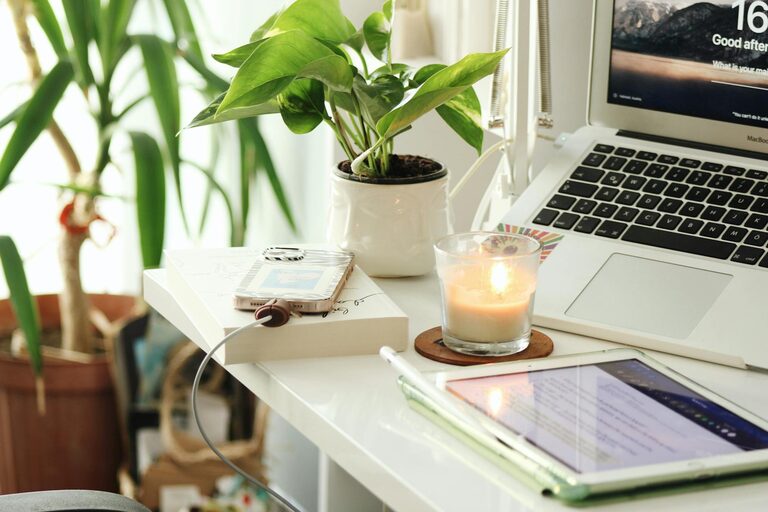
Creating a workspace at home that feels both relaxing and productive can transform the way you work. When your environment supports focus and calm, you naturally become more efficient and less stressed. Here are practical tips to help you design a home workspace that boosts productivity while maintaining a soothing atmosphere.
Choose the Right Location
Find a Quiet Spot
Select a space in your home where distractions are minimal. This could be a spare room, a corner of the living room, or even a section of your bedroom. The key is to have a dedicated area that helps your brain separate work time from leisure.
Maximize Natural Light
Natural light improves mood and alertness. Position your desk near a window if possible, and avoid harsh artificial lighting. If your workspace lacks natural light, consider a desk lamp with adjustable brightness and a soft, warm tone.
Invest in Comfortable Furniture
Ergonomic Chair and Desk
Comfortable seating with proper support prevents fatigue and physical discomfort. An adjustable chair that supports your lower back and a desk with enough surface area for your computer and other essentials make working long hours easier.
Maintain Good Posture
A workspace that encourages good posture reduces strain on your body. Keep your computer monitor at eye level, and your feet flat on the floor or on a footrest.
Keep It Organized and Clutter-Free
Use Storage Solutions
Clutter can be distracting and stressful. Use shelves, drawers, or organizers to keep documents and supplies neatly stored. Labeling boxes or folders helps you quickly find what you need.
Maintain a Clean Desk
At the end of each day, take a few minutes to tidy your desk. Clear away papers, coffee mugs, and other non-work items to start fresh the next morning.
Add Elements That Promote Relaxation
Personalize Tastefully
Incorporate items that make you feel calm and happy, such as plants, artwork, or photos. Keep these elements simple to avoid overwhelming your space.
Use Calming Colors
Soft, neutral colors like light blue, green, or beige can create a peaceful environment. If repainting isn’t an option, add accessories like cushions or desk mats in these shades.
Incorporate Aromatherapy
Essential oils or scented candles with lavender, chamomile, or eucalyptus can help reduce anxiety and improve concentration. Use them cautiously and follow safety guidelines.
Manage Noise Levels
Use Noise-Cancelling Headphones
If your home is noisy, noise-cancelling headphones can block distractions and help you focus. Alternatively, listening to soft instrumental music or white noise can create a steady background sound.
Soundproof Your Space
Adding rugs, curtains, or acoustic panels can help absorb unwanted sounds, making your workspace quieter.
Create a Routine and Boundaries
Set Regular Work Hours
Establish consistent start and end times to create a sense of structure. This helps your mind shift into work mode and avoid burnout.
Communicate Boundaries
Let family or roommates know your schedule to minimize interruptions. Use signs or signals indicating when you’re focusing.
Incorporate Natural Elements
Bring in Plants
Indoor plants not only improve air quality but also promote relaxation and creativity. Choose low-maintenance plants like succulents or snake plants.
Views of Nature
If possible, position your desk to face a window with a garden view or place a small water fountain nearby to create a peaceful atmosphere.
Take Breaks to Rejuvenate
Use a Timer
Work in focused intervals, such as 25-minute sessions with 5-minute breaks (the Pomodoro technique). This prevents fatigue and maintains mental sharpness.
Stretch and Move
During breaks, stand up, stretch, or take a short walk. Physical movement refreshes the mind and reduces tension.
Organize Technology Efficiently
Manage Cables and Devices
Use cable organizers to reduce clutter and prevent distractions. Keep essential devices like your computer, phone, and chargers within easy reach.
Optimize Your Screen Setup
Adjust screen brightness and contrast to reduce eye strain. Consider using a second monitor if your work involves multitasking.
—
By thoughtfully setting up your home workspace with relaxation and productivity in mind, you create an environment where work becomes more enjoyable and efficient. Start with small changes, and you’ll likely notice an improvement in your focus and overall work satisfaction.